

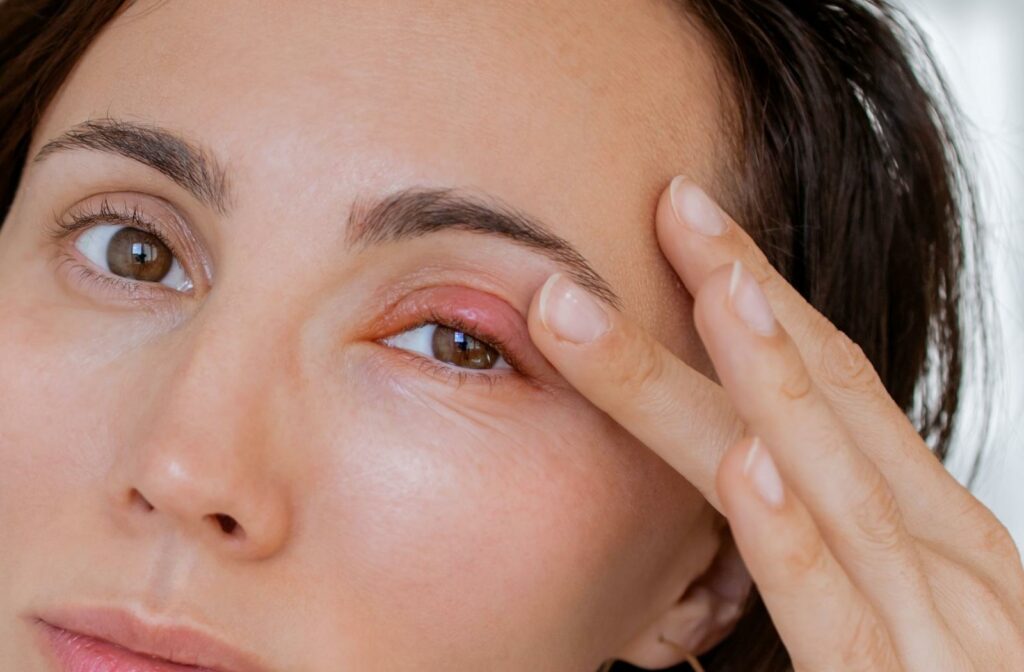
It’s happened to many of us: You wake up, and your eyelid is red, swollen, and maybe it’s uncomfortable to blink. Eyelid bumps are fairly common, but our team at Total Vision Campbell knows you want answers and relief. These tender spots usually point to one of 2 issues: A stye or a chalazion.
A stye is a painful bacterial infection at the base of your eyelashes, while a chalazion is a painless blocked oil gland further back on your eyelid. If you’re not sure, an eye doctor can help determine what may be going on during an eye exam.
Key Takeaways
- A stye feels painful and sits near the base of your lash line.
- A chalazion feels painless and happens further back on your eyelid.
- Styes develop when bacteria spread from factors like unwashed hands or shared makeup.
- Chalazions develop when oil glands become blocked.
- Warm compresses can help you find relief from both issues.
An Overview of a Stye
A stye resembles a small red pimple right at the edge of your eyelid. This tiny bump usually feels tender to the touch and can make your whole eye ache, and is caused by a bacterial infection. The swelling often starts small but can grow over a few days.
A stye is caused by an infected hair follicle or oil gland at the base of your eyelash. This can happen when bacteria from unwashed hands or shared makeup products multiply where they aren’t really meant to, leading to swelling, pain, and sometimes discharge.
An Overview of a Chalazion
A chalazion sits further back on your eyelid and looks like a swollen lump. The bump may feel firm under your skin, but it typically doesn’t hurt as it grows larger. The swelling can last for weeks before it begins to shrink.
A chalazion is caused by a blocked oil gland along your eyelid, which prevents the natural oil from flowing freely, creating that noticeable lump under your skin. This issue can be caused by slow healing from previous bumps, certain skin conditions like rosacea, and other factors.
The Main Differences Between a Stye and a Chalazion
One of the most noticeable differences between a stye and a chalazion is in the discomfort you experience. Styes tend to ache and sting right at the edge of your eyelashes, whereas chalazions are larger and sit farther back, causing little discomfort. Location and pain levels can be a good starting point, but a comprehensive eye exam can provide a clear diagnosis.
When a Stye Turns Into a Chalazion
In some cases, a stye can develop into a chalazion as the infection resolves, but lingering inflammation can block an oil gland. Good eyelid hygiene may help reduce the risk of recurring eyelid inflammation and styes.
Symptoms and Physical Signs
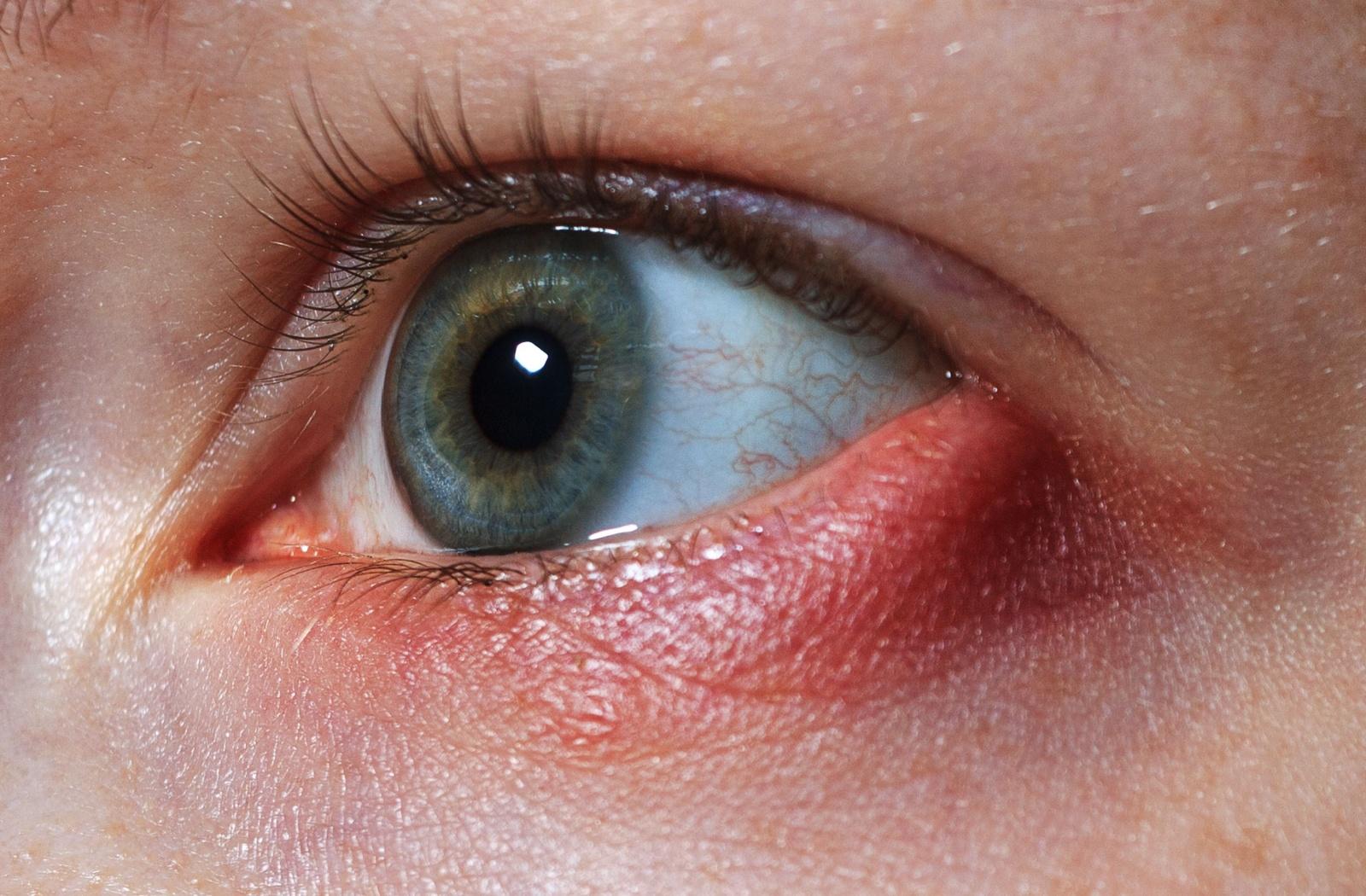
You can start to identify which problem you may have by paying close attention to specific visual cues. It’s important to note that if you experience any changes in vision or intense swelling, you should seek urgent eye care right away.
Common Stye Symptoms
- Very painful red bump near your eyelashes
- Small pus spot in the center that almost resembles a pimple
- Swelling that makes it uncomfortable to blink
- Grittiness, as if something is stuck in your eye
Common Chalazion Symptoms
- A large bump on your upper or lower eyelid
- Swollen eyelid with minimal or no discomfort
- Blurry vision if the bump gets large
Treatments and Preventive Eye Care
Simple daily habits can help protect your long-term eye health and keep your vision clear. You can help prevent the spread of bacteria by practicing good hygiene. Washing your hands frequently, especially before touching your face, helps prevent dirt from reaching your face. Always remove your makeup before bed, and never share makeup products with others.
Things to Avoid While Healing
Don’t squeeze or try to “pop” your stye or chalazion. Squeezing your eyelid increases pressure that can force the infection deeper into your skin. Trying to squeeze a stye or chalazion can worsen irritation, increase inflammation, and potentially introduce or spread bacteria.
Instead, wait for your eye to drain naturally, and seek professional care if symptoms persist or worsen.
Home Remedies and Professional Care
You can apply a warm compress several times a day for 5–10 minutes at a time. A warm washcloth helps soften the trapped oils and encourages natural drainage. You can also clean the eyelid with a mild, eye-safe cleanser to reduce bacteria buildup. Taking over-the-counter pain relievers can help you manage discomfort until the stye drains.
If a stye or chalazion keeps coming back, becomes very large, or doesn’t improve after several weeks, an eye doctor should evaluate it.
Book Your Visit
If you’re not sure whether you have a stye or a chalazion, our team at Total Vision Campbell can help. We can recommend treatments for eyelid bumps and support your overall eye health. Schedule an appointment today.