

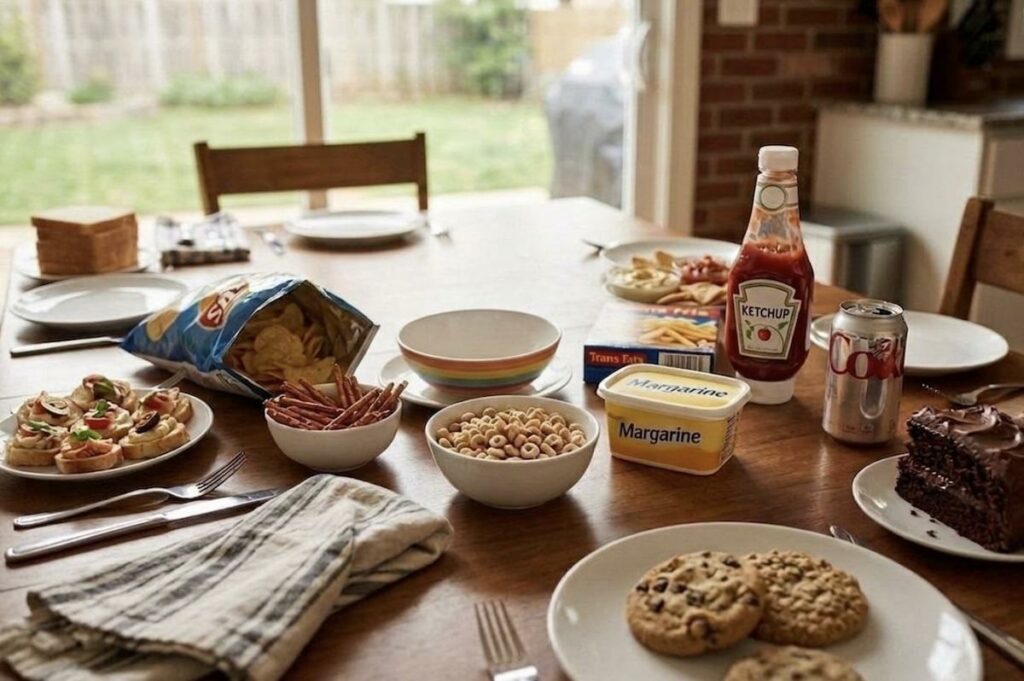
You probably focus on crunchy carrots and fresh leafy greens when you think about eating for better vision. However, at Total Vision Campbell, we know that most people overlook the everyday items in their pantry that actually work against their visual health.
Foods high in sodium, simple carbohydrates, trans fats, and added sugars are surprisingly bad for eye health because they can restrict circulation and damage delicate eye tissues. Adjusting your daily grocery list can help you maintain sharp vision and support your overall wellness.
Key Takeaways
- High sodium meals can restrict blood circulation to your eyes.
- Sugary snacks can damage delicate blood vessels over time.
- Trans fats in fried items can lead to poor eye health.
- Sweetened beverages can increase body inflammation.
- A balanced diet and regular visits to an eye doctor in Campbell can help protect your vision.
Processed Meats & High Sodium Foods
Everyday Sources of Sodium
You probably don’t notice the heavy salt content of many quick lunch options. However, a number of convenient grocery choices pack much more sodium than your body needs for daily function. A quick scan of the nutrition label can help you spot these salty items before they reach your shopping cart. These include:
- Hot dogs, bacon and deli meats
- Canned soups and prepackaged meals
Effects on Your Vision
Extra dietary salt changes how fluid moves through your body. High sodium intake can also elevate your blood pressure over time. This increased pressure can restrict the flow of oxygen to your eyes and create sudden visual changes, like blurry vision.
Simple Carbohydrates & Sugary Snacks
Common Pantry Items to Watch For
Quick snacks often contain refined simple carbohydrates that digest rapidly. Swapping these foods for whole grains can help steady your energy levels. Look out for:
- White bread and regular pasta
- Processed baked goods and pastries
Blood Sugar & Eye Health
Eating refined carbohydrates can make your blood sugar levels jump quickly. These rapid chemical changes can harm the tiny structures inside your eyes over time, which may lead to visual problems as you grow older.
Fried Fast Foods & Hidden Trans Fats
Foods High in Trans Fats
Crispy restaurant sides and spreadable butter alternatives often contain manufactured artificial fats. These cheap ingredients help food stay fresh longer on the store shelf, but they offer absolutely zero nutritional value. You can easily replace them with healthier options like olive oil or avocado oil. Pay attention to:
- Deep-fried fast foods
- Stick margarine and vegetable shortening
How Artificial Fats Affect Your Eyes
Your digestive system struggles to process artificial fats, which can raise your cholesterol levels, impair circulation, and increase the number of harmful free radicals in your body. It also increases your risk of macular degeneration.
Sweetened Beverages & Energy Drinks
Drinks High in Sugar
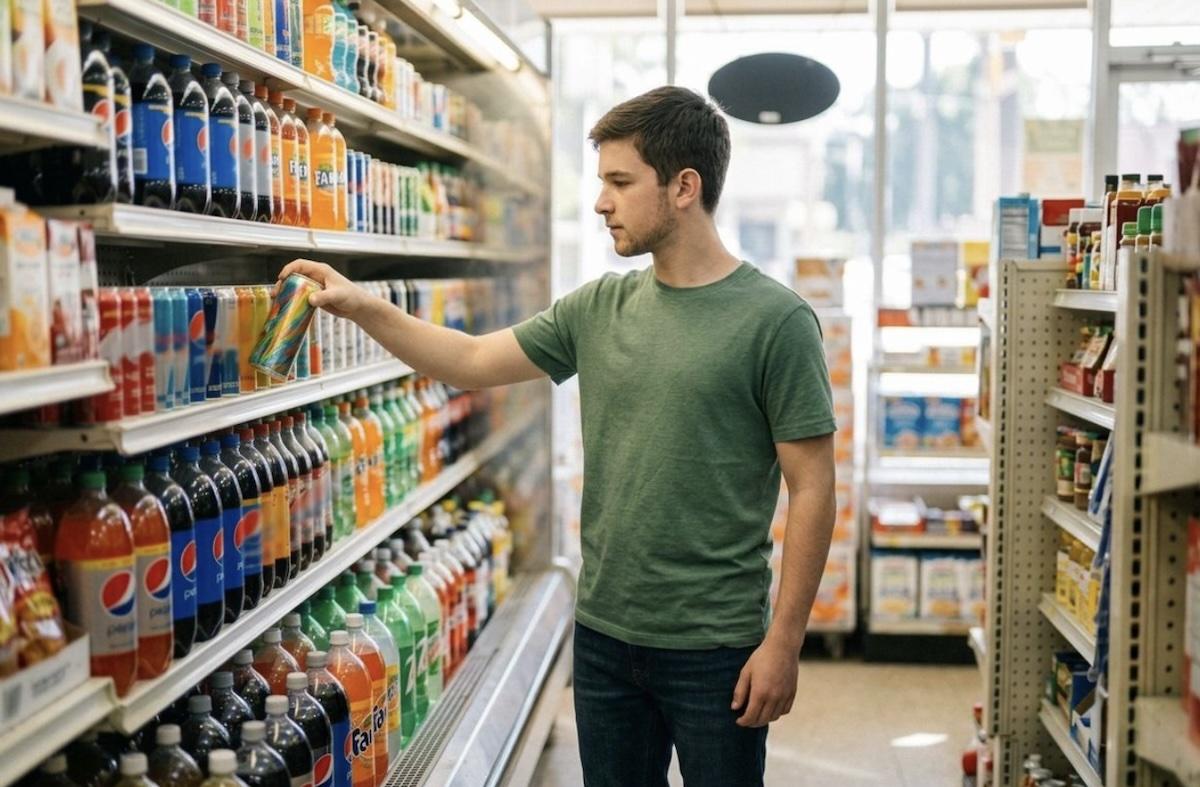
You can’t always taste the sugar, but liquid sweeteners add up incredibly fast when you feel thirsty during a busy afternoon. A single bottled drink can contain more sugar than a large dinner dessert. Reading beverage labels can help you realize exactly what you’re consuming. Be aware of:
- Regular soda and sports drinks
- Sweetened teas and lemonades
Impact on Long-Term Health
Drinking large amounts of sugar can increase inflammation and speed up the development of age-related eye conditions. Fortunately, you can easily protect your bodily health by choosing unsweetened beverages instead.
Keep Your Eyes Healthy
Your daily habits play a major role in how well your eyes function. Small meal choices compound over months and years to shape your visual health. Overlooking your daily nutrition and making poor dietary choices can leave your eyes vulnerable to gradual decline.
Conversely, making mindful food choices at the grocery store can help preserve your vision for years to come. As your eye doctor in Campbell, our team at Total Vision Campbell you understand the effects of your dietary choices.
Schedule a comprehensive evaluation today to protect your family’s visual health.