
You may have noticed more children wearing glasses lately or heard friends talk about their child’s nearsightedness. This isn’t just a feeling—it’s a trend that vision professionals are seeing more frequently. As lifestyles change, the way your child’s eyes develop can change, too, making regular children’s eye exams more important than ever.
The rise in childhood myopia, or nearsightedness, is largely connected to 2 modern lifestyle shifts: more time spent on close-up activities indoors and less time spent playing outside. This combination can encourage the eye to grow longer, which affects how it focuses on distant objects.
What Is Myopia?
A Simple Look at Nearsightedness
Myopia is the clinical term for nearsightedness. When your child has myopia, their vision is clear for things up close, like reading a book, but objects far away look fuzzy or blurred. This happens because the eyeball has grown slightly too long from front to back.
This shape causes light to focus in front of the retina instead of directly on it. Think of it like a movie projector that’s slightly too far from the screen—the image just won’t be sharp.
Future Eye Health Considerations
Correcting your child’s blurry vision with glasses is important, but it’s also valuable to manage the progression of myopia itself. As a child’s nearsightedness increases, the risk for certain eye conditions later in life can also increase.
Slowing down how quickly myopia develops helps support your child’s long-term eye health. Some of the conditions linked to high myopia include:
- Cataracts
- Glaucoma
- Retinal detachment
Factors That Influence Childhood Myopia
More Time Indoors and with Up-Close Tasks
Today’s world is full of amazing digital devices, but they demand a lot of “near work” from your child’s eyes. When a child spends hours looking at a tablet, phone, or book, their eyes are constantly focused on something just inches away.
This prolonged close-up focus can contribute to digital eye strain and is different from looking around a room, which allows the eye muscles to relax. A day heavy on screen time means less time spent looking at various distances, which can influence how the eye develops.
Less Time Outdoors
Time spent playing outside does more than just burn off energy—it’s also great for your child’s eyes. Natural sunlight appears to play a protective role in eye development. It helps the eye produce dopamine, a chemical that can help control eye growth.
Outdoor play also naturally encourages distance vision. Whether your child is looking at a friend across the park or watching a ball fly through the air, their eyes get a much-needed break from close-up tasks. Research shows a strong link between more outdoor time and a lower chance of developing myopia.
How to Spot the Signs in Your Child
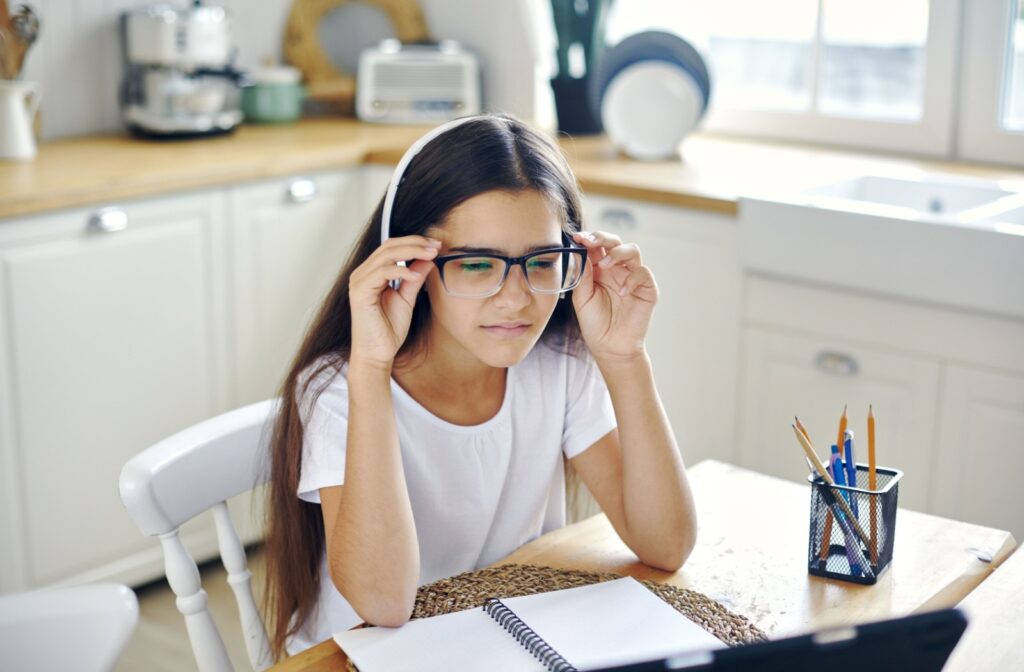
Children don’t always know how to explain that their vision is blurry—they may think everyone sees the world the way they do. The best way to know for sure is through a comprehensive children’s eye exam, but you can also look for behavioral clues that suggest they might be struggling to see clearly from a distance. Keep an eye out for these common signs:
- Squinting to see distant objects
- Headaches or reports of eye strain
- Sitting too close to the TV
How an Eye Doctor Can Help
Go Beyond Traditional Glasses
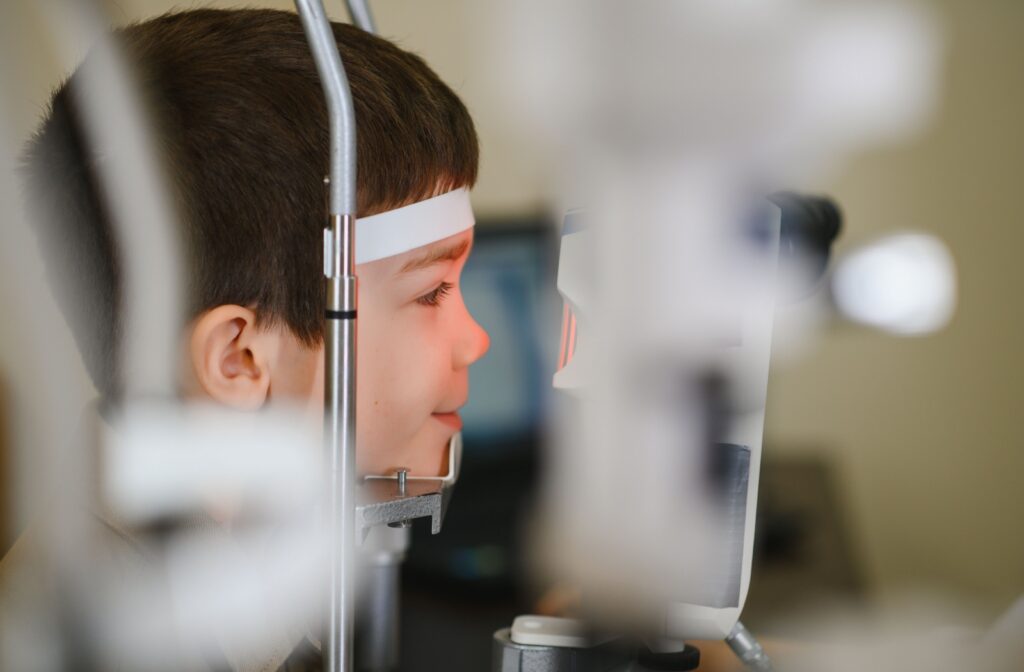
If you notice signs of myopia, an eye doctor in Campbell can provide a comprehensive exam to assess your child’s vision and eye health. Today, care for myopia often goes beyond just a standard pair of glasses. The goal is to manage the condition by slowing its progression.
Myopia management is a proactive approach to your child’s vision. By using specific treatments, an eye doctor can help slow down the elongation of the eye. Regular eye exams allow the team to monitor any changes and adjust the treatment plan as your child grows.
Modern Myopia Management Options
There are several effective options available for parents to help manage a child’s myopia. After an exam, the eye doctor can discuss which approach may be suitable for your child’s specific needs. These modern treatments include:
- Specialty soft contact lenses that are worn during the day
- Prescription eye drops that are used nightly to relax eye focus
- Orthokeratology (or ortho-k) lenses that are worn overnight to gently reshape the cornea for daytime clarity
Proactive Steps for Your Family’s Vision
Balance Screen Time and Breaks
You can support your child’s eyes at home by encouraging healthy screen habits. A simple and effective method is the 20-20-20 rule. It gives the eyes a regular break from the strain of close-up focus and is easy for kids to remember.
Here’s how it works:
- Look 20 feet away for 20 seconds
- Do this every 20 minutes of near work
Encourage Outdoor Activities
Making outdoor time a daily priority is one of the most beneficial things you can do for your child’s developing eyes. Aim for at least an hour or 2 of outside play each day. You can make it a fun part of your family’s routine.
Schedule time to visit a local park, play catch in the yard, or go for a family bike ride. These activities are not only fun but also give your child’s eyes plenty of opportunities to practice focusing on distant objects in natural light.
Protect Your Child’s Vision Today
Taking a proactive approach to your child’s eye health can make a meaningful difference for their future. If you have questions about myopia or want to schedule an exam, our Total Vision Campbell team is ready to help you and your family.